¿Qué fue lo que nos pasó como argentinos, que no podemos ser empáticos desde los medios para poner en agenda la situación de millones de ciudadanos? ¿Cómo es que dejamos de lado la noticia más cercana, la que nos conmueve, la que señala que el 50% de los habitantes de este país la está pasando mal?
Porque lo urgente es título y lo importante estadística; porque se evita el mal mayor en lugar de remarcar el daño permanente que nos impide el acceso a alimentos, medicamentos, salarios dignos, salud, vivienda y una jubilación que es un derecho adquirido, cuyo 82% fue vetado por decreto durante el gobierno de Cristina Fernández de Kirchner.
Lo que voy a contarles es el intento que realizó un jubilado de más de 65 años por recuperar algo que había perdido con la política económica de Sergio Massa y su inflación del 223%. Esto comenzó en noviembre de 2023, cuando este hombre debió devolver un vehículo de gama media, estándar, sin lujo alguno, porque la cuota de su plan de ahorro tenía el mismo monto que el valor inicial del auto.
En la agencia, en aquel momento, le compraron el auto —y comprar es una forma de decir—: le dieron lo que a ellos les pareció. Con esos pesos este hombre terminó de armar su casa, una vivienda de 39 m². Sí, en ese espacio vive junto con su mujer. Su jubilación es la mínima de ANSES, hoy unos 600 mil pesos, sumando la zona desfavorable del 40% que se paga en Tierra del Fuego, porque todo esto pasó aquí.
Lo cierto es que después de tres años intenta recuperar ese bien, tener un pequeño vehículo para moverse en esta ciudad austral, poder trabajar, en definitiva, hacer lo que quiera. Ese vehículo no será el que perdió: es mucho más pequeño, más estándar y con menos espacio, pero será un medio de movilidad.
Después de tres años de muchas privaciones —de no ver a sus familiares directos que viven en la provincia de Buenos Aires, de no ir al cine, a cenar, de no comprarse ropa, calzado o viajar— reunió una suma que él creía suficiente para acceder a ese bien. Pero no lo fue: cuando ingresó a ese plan el costo era uno, y cuando fue a pagar la segunda cuota el monto había aumentado en 1.200.000 pesos. Allí la realidad le mostró su rostro más horrible. Allí entendió que nunca alcanza, que todo el esfuerzo de años, las horas de trabajo, los problemas de salud que estos le generaron, su desconexión con los seres queridos, no habían servido de nada.
La opción es seguir pagando una cuota como un ahorro durante al menos dos años, o abandonarlo y perder el primer pago. Los años no dan tanto tiempo para este tipo de cosas: los adultos mayores sabemos que cada día que pasa es un día menos, pero la mayoría no lo entiende.
Su vida dio un vuelco, no por el auto, no por ese pequeño gusto que quería darse, no por seguir siendo un peatón, sino por la inequidad, la desidia, la impunidad de quienes no se detienen a mirar al costado, de los que diariamente cobran lo que él podría cobrar en un año. Las respuestas de la vendedora no alcanzaron para transformar el rostro casi al borde de las lágrimas, ni el café quemado que le sirvieron como consuelo, ni la mano de su esposa apretando la suya en señal de apoyo y sostén ante el derrumbe.
Hubiese querido gritar, romper todo, insultar, pero nada de eso pasó. Solo se levantó de la silla, miró el amplio salón de la concesionaria a modo de despedida y muy dentro suyo sintió que jamás recuperaría aquello que había perdido y que tanto amaba: la libertad de poder recorrer la isla cuando quisiera, salir hacia donde quisiera, ir a dar vueltas por la ciudad sin rumbo fijo. Pero claro, ¿a quién le importa eso?
El regreso a su casa fue en silencio y así permaneció durante horas, tratando de entender por qué tanta injusticia. Por qué, si hoy son más los que están en su situación que los que están bien, nadie hace nada. Por qué no hay reclamos, por qué no se expresa este abuso, esta permanente sumisión, este castigo a los más vulnerables: niños y adultos mayores, sin apoyo, sin solidaridad, sin ayudas. Por qué este abandono a gran parte de la sociedad, esta grieta inexplicable, donde los que menos tienen pronto no van a tener nada.
Y los que más tienen cada vez tienen más, porque quienes te piden que te reconviertas con más de 60 años no lo hacen ni trabajan. Este hombre es uno de los millones de argentinos que ve llegar el fin de su vida en condiciones que jamás hubiera imaginado: más solo que nunca, solo con una contención familiar, desprendiéndose de todo lo que alguna vez fueron efectos personales para pagar deudas. Porque vivir honestamente de su trabajo ya no es suficiente; porque hay que recurrir al pluriempleo cuando debería estar disfrutando de lo ganado en una vida de trabajo; porque depende de las decisiones de corruptos, estafadores, coimeros, lobistas, con la complicidad de quienes deberían denunciar todo esto y hacer algo para devolverles la dignidad.
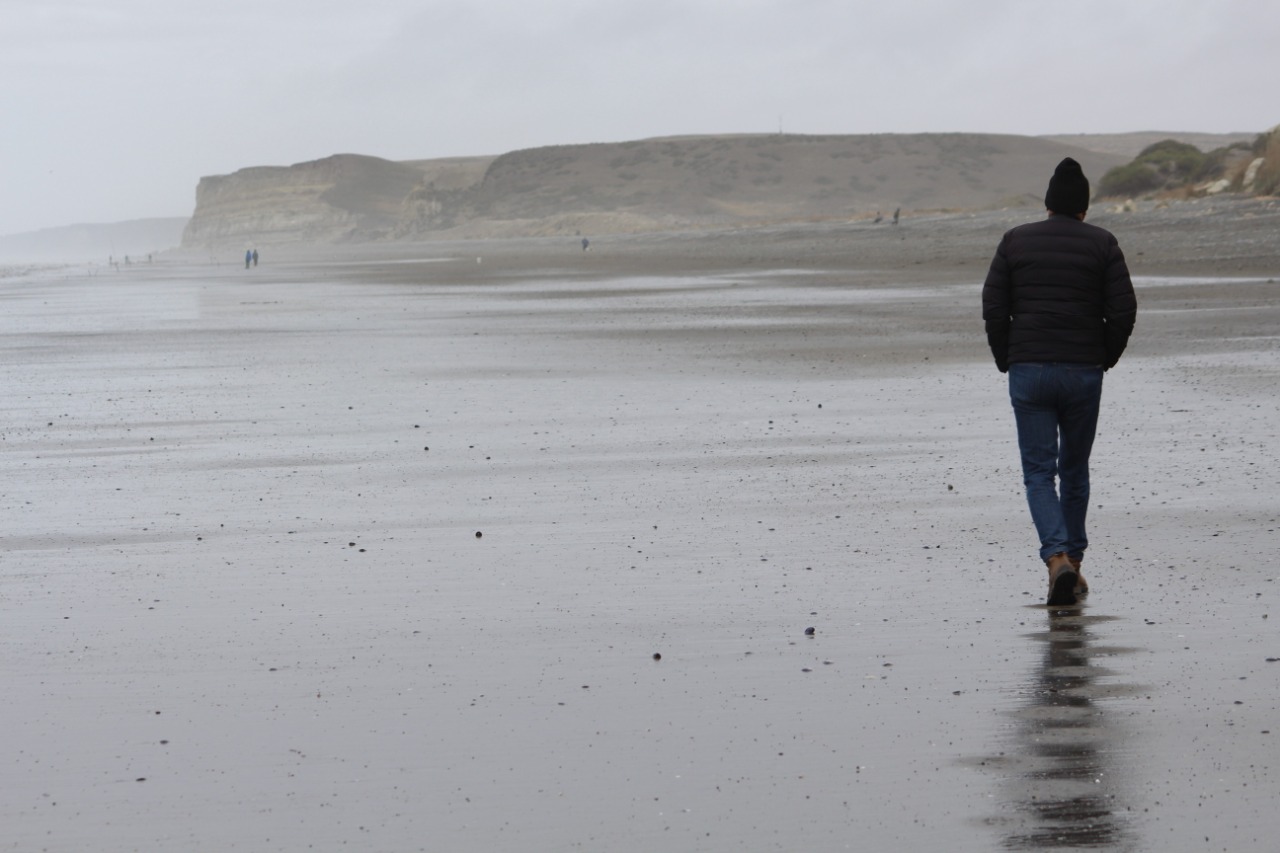
El fin de esta historia es abierto: es la imagen de un hombre caminando por una playa de Río Grande, en silencio, solo, doblado pero no quebrado, porque la vida le ha enseñado a caer y levantarse todos los días sin quejarse, un poco más silencioso que antes, más introvertido, menos sonriente y desconfiado.
Los hombres y mujeres que están viviendo esto solo atinan a preguntarse por qué los medios más importantes del país lo ignoran, o lo que es peor, justifican el abandono y la desaparición del Estado en temas cruciales. Crece la indignación, la decepción y la necesidad.
Que cada uno tome esto como mejor le parezca, pero lo que se debe entender es que ningún argentino se merece este destrato. No solo por esta situación en particular, sino por todo lo que está pasando en todos los ámbitos y sigue sin resolverse.
Armando Cabral
www.lalicuadoratdf.com.ar
Poverty Advances, Along with Indignation, Disappointment, and Neglect
Río Grande, 06/29/2026.— This could be the story of frustration, or the most brutal way of showing an ordinary citizen, a retiree, that he is on the verge of destitution. It is also the stark and irrefutable evidence of how older adults live today: after a lifetime of work, they no longer have access to the basics needed to live with dignity.
What happened to us as Argentines, that we cannot be empathetic enough—even through the media—to put the situation of millions of citizens on the agenda? How did we set aside the closest news, the one that moves us, the one that points out that 50% of this country’s inhabitants are suffering?
Because urgency becomes headlines and importance becomes statistics; because we avoid the greater evil instead of highlighting the permanent damage that denies us access to food, medicine, decent wages, healthcare, housing, and a pension that is a hard-earned right—82% of which was vetoed by decree during Cristina Fernández de Kirchner’s government.
What I am about to tell you is the attempt of a retiree over 65 to recover something he lost due to Sergio Massa’s economic policies and his 223% inflation. It began in November 2023, when this man had to return a mid-range, standard vehicle—without luxury—because the installment of his savings plan equaled the car’s original value.
At the dealership, they “bought” the car from him—though buying is just a way of saying it. They gave him what they thought was fair. With that money, he finished building his house, a 39 m² home. Yes, in that space he lives with his wife. His pension is the minimum from ANSES, today about 600,000 pesos, plus the 40% unfavorable zone allowance paid in Tierra del Fuego—because all this happened here.
The truth is that after three years, he is trying to recover that asset: a small vehicle to move around this southern city, to work, ultimately to do as he pleases. That vehicle will not be the one he lost—it is smaller, more basic, with less space—but it would be a means of mobility.
After three years of many deprivations—of not seeing his immediate family in Buenos Aires province, of not going to the movies or out to dinner, of not buying clothes, shoes, or traveling—he gathered a sum he thought sufficient to access that asset. But it wasn’t. When he entered the plan, the cost was one thing; when he went to pay the second installment, the amount had risen by 1,200,000 pesos. There reality showed its ugliest face. He understood then that it is never enough, that all the years of effort, the hours of work, the health problems they caused, his disconnection from loved ones, had served for nothing.
The choice is to keep paying installments like savings for at least two years, or abandon it and lose the first payment. Time is not so generous for older adults—we know each passing day is one less—but most people don’t understand that.
His life took a turn, not because of the car, not because of that small indulgence he wanted, not because of remaining a pedestrian, but because of inequity, neglect, and the impunity of those who never look sideways, those who daily earn what he could earn in a year. The salesperson’s answers were not enough to ease his face, nearly in tears; nor the burnt coffee offered as consolation; nor his wife’s hand squeezing his in support as he collapsed inside.
He would have liked to scream, break everything, insult—but none of that happened. He simply stood up, looked around the dealership’s wide showroom as if in farewell, and deep inside felt he would never recover what he had lost and so dearly loved: the freedom to roam the island whenever he wished, to go wherever he wanted, to wander the city aimlessly. But of course, who cares about that?
The return home was silent, and he remained that way for hours, trying to understand why so much injustice. Why, if today more people are in his situation than are well-off, nobody does anything. Why there are no protests, why this abuse is not expressed, this permanent submission, this punishment of the most vulnerable—children and older adults—without support, without solidarity, without aid. Why this abandonment of much of society, this inexplicable divide, where those who have little will soon have nothing.
And those who have much have more and more, because those who ask you to “retrain” at over 60 neither do so themselves nor work. This man is one of millions of Argentines who see the end of their lives approaching in conditions they never imagined: more alone than ever, with only family support, selling off personal belongings to pay debts. Because living honestly from his work is no longer enough; because he must resort to multiple jobs when he should be enjoying what he earned in a lifetime of work; because he depends on the decisions of corrupt politicians, fraudsters, bribe-takers, lobbyists, with the complicity of those who should denounce all this and act to restore dignity.
The end of this story is open: the image of a man walking along a beach in Río Grande, silent, alone, bent but not broken, because life has taught him to fall and rise every day without complaint—quieter than before, more introverted, less smiling, more distrustful.
The men and women living this reality can only ask why the country’s major media ignore it—or worse, justify the abandonment and disappearance of the State in crucial matters. Indignation, disappointment, and need continue to grow.
Let everyone take this as they will, but what must be understood is that no Argentine deserves such mistreatment. Not only because of this particular situation, but because of everything happening across all areas that remains unresolved.
Armando Cabral www.lalicuadoratdf.com.ar