Por Mariana Rabanal
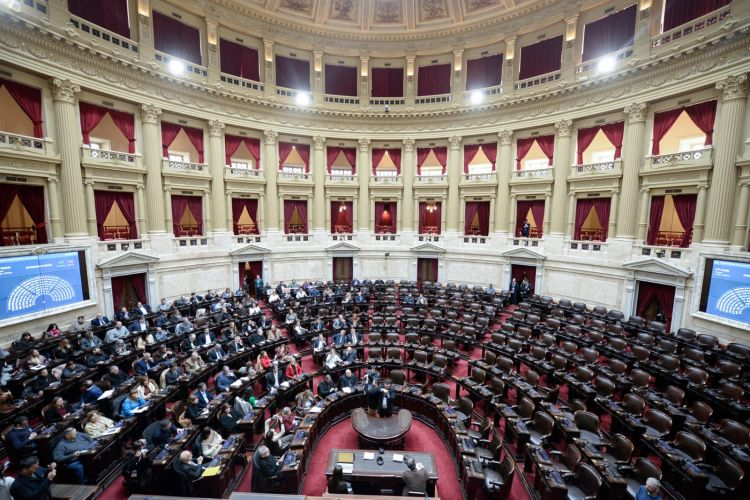
La no sesión de hoy no fue un accidente. Tampoco una derrota circunstancial de la oposición ni una victoria táctica del oficialismo. Fue la confirmación de un proceso mucho más profundo y preocupante: el vaciamiento deliberado del Congreso Nacional.
Hace tiempo que el Gobierno descubrió que no necesita tener mayoría propia. Le alcanza con algo más eficaz: una oposición fragmentada, temerosa y, en muchos casos, funcional. Una oposición que denuncia en los medios lo que no está dispuesta a discutir en el recinto; que publica comunicados encendidos, pero se esfuma cuando llega la hora de dar quórum; que se presenta como republicana mientras renuncia a ejercer la primera obligación del republicanismo: controlar al poder.
No estamos frente a una mayoría automática como las que conoció la Argentina en otros tiempos. Estamos ante algo más sofisticado y, quizás, más peligroso: una mayoría de ausentes.
Porque las ausencias, en política, también votan.
Votan cuando se evita una sesión incómoda. Votan cuando se impide interpelar a un funcionario. Votan cuando se cajonea un pedido de informes. Votan cuando se posterga indefinidamente una investigación. Votan cuando la especulación electoral pesa más que la responsabilidad institucional.
Y así, ausencia tras ausencia, silencio tras silencio, se construye una mayoría informal que le permite al Gobierno evitar cualquier forma seria de control.
El deterioro institucional no empieza en el recinto; empieza mucho antes.
Empieza cuando las comisiones dejan de ser el corazón del trabajo parlamentario para convertirse en salas de espera vacías. Cuando la enorme mayoría de las comisiones presididas por La Libertad Avanza y sus aliados directamente no se reúnen. No hay agenda, no hay temarios consensuados, no hay voluntad de debatir ni de dictaminar. El Parlamento deja de ser el lugar donde la democracia procesa sus conflictos para convertirse en una institución administrada para que nada suceda.
Y cuando alguna comisión sí funciona —cuando diputados de distintos bloques logran impulsar una reunión o se atreven a presentar un pedido de informes al Poder Ejecutivo— la reacción es inmediata. El oficialismo despliega toda su capacidad de bloqueo. No importa cuál sea el tema: salud, defensa, educación, economía, corrupción o política exterior. Todo aquello que implique exigir explicaciones al Gobierno es tratado como una amenaza que debe ser neutralizada.
La consigna parece ser una sola: no investigar, no preguntar, no incomodar.
Los aliados del oficialismo tienen, además, una forma particularmente sofisticada de lavarse las culpas: convocan a reuniones informativas. Encuentros que no producen dictámenes, no obligan a nadie a responder y no generan consecuencia institucional alguna. Es una puesta en escena del control parlamentario destinada, precisamente, a evitar que dicho control exista.
La convocatoria a una reunión informativa de la Comisión de Asuntos Constitucionales es el ejemplo perfecto. Otra vez una reunión sin definiciones, sin dictamen y sin intención de avanzar en nada concreto. El recurso es conocido: simular actividad para evitar decisiones, multiplicar las palabras para impedir las consecuencias. La ilusión de control para garantizar, en los hechos, la ausencia de todo control.
Así, mientras algunos se fotografían defendiendo la República, el Congreso se vacía de contenido.
El bloque radical presidido por Pamela Verasay debería preguntarse en qué momento olvidó no solo las enseñanzas de Alem y de Yrigoyen, sino también la decencia de Illia y la convicción democrática de Alfonsín. Porque fue Alfonsín quien impulsó la reforma constitucional de 1994 y defendió especialmente la figura del jefe de Gabinete como una herramienta para fortalecer el control parlamentario y evitar la concentración del poder.
A más de treinta años de aquella reforma, el bloque radical parece haber olvidado una de las convicciones más profundas de Alfonsín: que el poder necesita controles y que el Congreso existe, precisamente, para ejercerlos. Hoy, quienes invocan ese legado terminan blindando al Gobierno frente a cualquier intento serio de rendición de cuentas. Ya no se trata solamente de votar con el oficialismo. Se trata, muchas veces, de algo más efectivo: ausentarse cuando hay que controlar, mirar para otro lado cuando hay que exigir respuestas y convertir la especulación política en una forma de renuncia institucional.
El Pro, por su parte, se especializó en la preocupación. Todo le preocupa, todo le genera alarma institucional y todo merece un comunicado. Pero, cuando llega el momento de poner el cuerpo, la preocupación se evapora. La República parece terminar donde empiezan las especulaciones electorales y las negociaciones con el oficialismo.
Y los gobernadores aliados reclaman federalismo mientras administran silencios. Negocian recursos para sus provincias, pero callan cuando el Congreso debería exigir respuestas. Confunden gobernabilidad con obediencia y terminan siendo piezas fundamentales de un esquema donde el Ejecutivo gobierna cada vez con menos controles.
La consecuencia es evidente. El Gobierno empieza a convencerse de que no necesita explicar nada; que puede gobernar sin rendir cuentas, sin responder preguntas incómodas y sin aceptar controles. Y eso no ocurre solamente por la voluntad del oficialismo. Ocurre porque demasiados actores políticos eligieron la comodidad de la ausencia antes que la incomodidad de cumplir con su deber.
Las instituciones no se degradan únicamente cuando alguien las ataca. También se degradan cuando quienes deben defenderlas aceptan que dejen de funcionar.
Y eso es, quizás, lo más preocupante de este tiempo.
El problema no es que exista un gobierno que quiera concentrar poder. Todos los gobiernos, en mayor o menor medida, lo intentan. El verdadero problema es que haya tantos dirigentes dispuestos a renunciar a su función de control por conveniencia, por cálculo o por miedo.
Porque las ausencias, en política, también votan.
Y cuando se vuelven sistemáticas, dejan de ser una omisión.
Se convierten en una forma de complicidad.
Fuente: El parlamentario.
Opinion: The Majority of the Absent
Argentina, 06/24/2026.— The lawyer specializing in International Human Rights Law, Constitutional Law, and Parliamentary Law offers an analysis of the truncated special session that sought to advance the questioning of Chief of Cabinet Manuel Adorni. By Mariana Rabanal
Today’s non-session was not an accident. Nor was it a circumstantial defeat for the opposition or a tactical victory for the government. It was the confirmation of a much deeper and more troubling process: the deliberate hollowing out of the National Congress.
The government long ago discovered it does not need its own majority. It suffices with something more effective: a fragmented, fearful, and often complicit opposition. An opposition that denounces in the media what it refuses to debate in the chamber; that issues fiery statements but vanishes when it is time to provide quorum; that presents itself as republican while abandoning the first duty of republicanism: to control power.
We are not facing an automatic majority like Argentina has known in other times. We are facing something more sophisticated and perhaps more dangerous: a majority of absentees.
Because absences, in politics, also vote.
They vote when an uncomfortable session is avoided. They vote when a minister is shielded from questioning. They vote when a request for information is shelved. They vote when an investigation is postponed indefinitely. They vote when electoral speculation outweighs institutional responsibility.
And thus, absence after absence, silence after silence, an informal majority is built that allows the government to avoid any serious form of oversight.
Institutional deterioration does not begin in the chamber; it begins much earlier.
It begins when committees cease to be the heart of parliamentary work and become empty waiting rooms. When the vast majority of committees chaired by La Libertad Avanza and its allies simply do not meet. No agenda, no agreed topics, no will to debate or issue rulings. Parliament ceases to be the place where democracy processes its conflicts and becomes an institution managed so that nothing happens.
And when a committee does function—when deputies from different blocs manage to convene a meeting or dare to request information from the Executive—the reaction is immediate. The government deploys its full blocking capacity. It does not matter the subject: health, defense, education, economy, corruption, or foreign policy. Anything that implies demanding explanations is treated as a threat to be neutralized.
The motto seems to be: do not investigate, do not ask, do not inconvenience.
Government allies have developed a particularly sophisticated way of washing their hands: convening “informative meetings.” Encounters that produce no rulings, oblige no one to respond, and generate no institutional consequences. A staging of parliamentary oversight designed precisely to prevent oversight from existing.
The call for an “informative meeting” of the Constitutional Affairs Committee is the perfect example. Once again, a meeting without definitions, without rulings, without intention to advance anything concrete. The resource is well known: simulate activity to avoid decisions, multiply words to prevent consequences. The illusion of control to guarantee, in practice, the absence of all control.
Thus, while some pose for photos defending the Republic, Congress is emptied of substance.
The Radical bloc led by Pamela Verasay should ask itself at what point it forgot not only the teachings of Alem and Yrigoyen, but also the decency of Illia and the democratic conviction of Alfonsín. It was Alfonsín who promoted the 1994 constitutional reform and defended the figure of the Chief of Cabinet as a tool to strengthen parliamentary oversight and prevent concentration of power.
More than thirty years after that reform, the Radical bloc seems to have forgotten one of Alfonsín’s deepest convictions: that power needs checks and that Congress exists precisely to exercise them. Today, those who invoke that legacy end up shielding the government from any serious attempt at accountability. It is no longer just about voting with the government. It is often something more effective: being absent when oversight is needed, looking the other way when answers must be demanded, and turning political calculation into institutional abdication.
The PRO, meanwhile, has specialized in worry. Everything worries them, everything alarms them, everything deserves a statement. But when the time comes to act, the worry evaporates. The Republic seems to end where electoral speculation and negotiations with the government begin.
And allied governors demand federalism while administering silence. They negotiate resources for their provinces but remain silent when Congress should demand answers. They confuse governability with obedience and end up being key pieces in a scheme where the Executive governs with fewer and fewer controls.
The consequence is evident. The government begins to believe it does not need to explain anything; that it can govern without accountability, without answering uncomfortable questions, and without accepting oversight. And this does not happen solely because of the government’s will. It happens because too many political actors chose the comfort of absence over the discomfort of fulfilling their duty.
Institutions do not degrade only when someone attacks them. They also degrade when those who should defend them accept that they stop functioning.
And that is, perhaps, the most worrying aspect of this time.
The problem is not that there is a government that wants to concentrate power. All governments, to a greater or lesser extent, attempt it. The real problem is that there are so many leaders willing to renounce their oversight role out of convenience, calculation, or fear.
Because absences, in politics, also vote.
And when they become systematic, they cease to be an omission.
They become a form of complicity.
Source: El Parlamentario